Nepal Trekking 2026: When to Go, Where to Trek, and How to Prepare
Nepal, home to the majestic Himalayas, including the world’s tallest peak, Mount Everest, is a dream destination for trekkers, adventurers, and nature lovers. Every year, thousands of travelers come to experience the breathtaking landscapes, rich culture, and thrilling trekking routes. With 2026 trekking season approaching, it’s the perfect time to plan your Himalayan adventure. Whether you are a seasoned trekker or a first-time visitor, understanding when to go, where to trek, and how to prepare is key to an unforgettable journey.
When is the Best Time to Trek in Nepal?
Nepal has two main trekking seasons, spring (March to May) and autumn (September to November), which are widely regarded as the best times to explore the mountains.
Spring (March–May): During this season, the weather is warm, the skies are clear, and rhododendron forests bloom with vibrant colors, making the scenery even more stunning. Temperatures are moderate, ideal for trekking at high altitudes. Spring is especially recommended for trekking routes like Everest Base Camp, Annapurna Circuit, Langtang Valley, and Manaslu.
Autumn (September–November): Often considered the peak trekking season, autumn offers stable weather, clear skies, and incredible mountain views. The air is crisp and visibility is excellent, providing the best photographic opportunities. Popular treks during this season include Everest Base Camp, Annapurna Base Camp, Gokyo Lakes, and Upper Mustang.
Winter (December–February is colder with occasional snowfall in higher regions, but some lower-altitude treks are still possible.
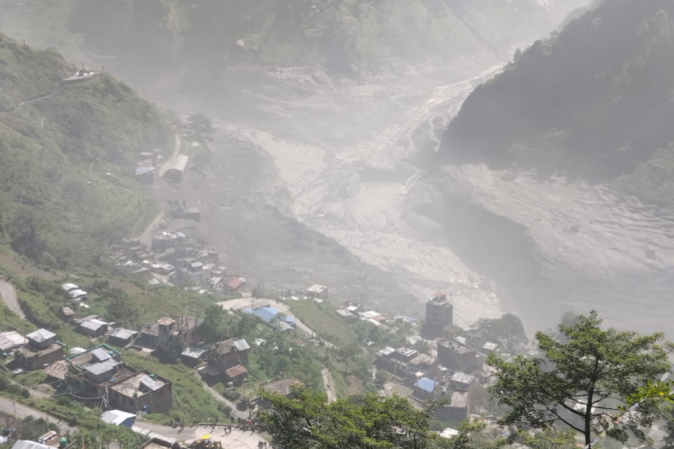
Summer (June–August) brings the monsoon, making trails slippery and prone to landslides, so it is generally less recommended for trekking.
Where to Trek in Nepal
Nepal offers a wide variety of trekking routes, ranging from short, accessible trails to challenging high-altitude expeditions. Here are some of the most popular and breathtaking options for 2026:
The Everest Base Camp (EBC) Trek is the most iconic Himalayan trek. It takes you through Sherpa villages, ancient monasteries, and rugged trails, with panoramic views of peaks like Everest, Lhotse, Nuptse, and Ama Dablam.
For travelers with limited time, Trek Ways Nepal offers a unique Everest Base Camp Trek with Helicopter Ride Back, allowing you to trek to Base Camp and return quickly via helicopter, saving several days while still enjoying the full experience.
The Annapurna Circuit is a diverse and scenic trek that passes through lush forests, traditional villages, and high mountain passes like Thorong La (5,416 m). This trek is ideal for those looking to experience a combination of culture, adventure, and stunning landscapes.
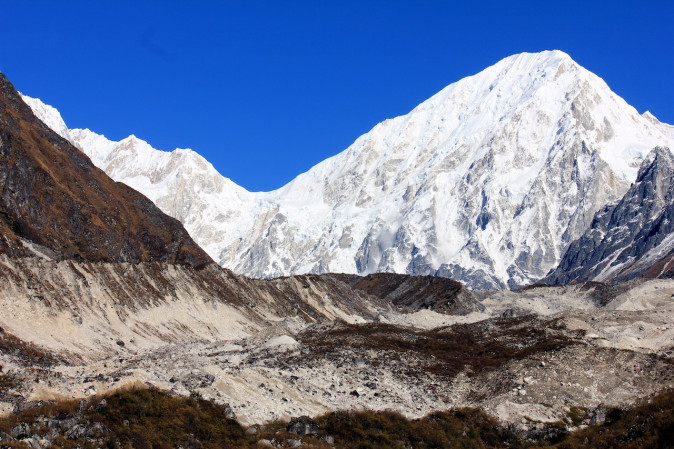
Langtang Valley offers a more tranquil trekking experience with fewer crowds. Famous for its alpine forests, glaciers, and the Langtang Lirung peak, this trek is perfect for nature lovers seeking serenity.
Known as the “Forbidden Kingdom,” Upper Mustang is a culturally rich trek with arid landscapes, ancient monasteries, and Tibetan-influenced villages. This trek is ideal for history enthusiasts and photographers.
For those who want spectacular views and a less crowded trail, the Gokyo Lakes Trek is perfect. Trek through high-altitude glacial lakes and climb Gokyo Ri for stunning panoramas of Everest and surrounding peaks.
How to Prepare for Your Trek
Preparation is key to ensuring a safe and enjoyable trekking experience. Here are the essential steps to get ready for your Himalayan adventure:
1. Physical Fitness
Trekking in Nepal involves long walks, steep ascents, and high altitudes. Start training months in advance with activities like hiking, jogging, stair climbing, and strength exercises. Focus on building stamina, leg strength, and cardiovascular endurance.
2. Packing Essentials
Pack smart with clothing and gear suitable for varying weather conditions:
- Layered clothing for warmth and flexibility
- Down jacket and fleece for cold temperatures
- Waterproof trekking boots and trekking poles
- Gloves, hat, and sunglasses for sun and wind protection
- Sleeping bag and personal first aid kit
Trek Ways Nepal also provides guidance on packing lists and ensures comfort during the trek, including upgraded lodges with hot showers on select nights.
3. Acclimatization
Altitude sickness is a common risk in high-altitude trekking. Follow the principle “climb high, sleep low” and allow time for acclimatization. Drink plenty of water, and avoid rapid ascents. Trek Ways Nepal designs itineraries with proper acclimatization to keep trekkers safe.
4. Permits and Documentation
Trekking in Nepal requires permits such as TIMS (Trekkers’ Information Management System) and national park entry passes. Trek Ways Nepal handles all permits, ensuring a smooth experience so you can focus on enjoying the trek.
5. Choosing a Reliable Trek Operator
Selecting a reputable trekking company ensures safety, comfort, and seamless logistics. Trek Ways Nepal offers worry-free trekking, including direct flights to Lukla, experienced guides, comfortable lodges, meals, and helicopter rides for quick return.
Nepal is a dream destination for trekkers of all levels. With the 2026 trekking season approaching, it’s the perfect time to plan your adventure. Whether you choose the iconic Everest Base Camp Trek, the scenic Annapurna Circuit, or a cultural journey through Upper Mustang, preparation is key. Follow these tips, choose the right season, and partner with a trusted operator like Trek Ways Nepal to ensure an unforgettable Himalayan experience.
Start your journey now and make 2026 the year you explore the majestic mountains of Nepal!