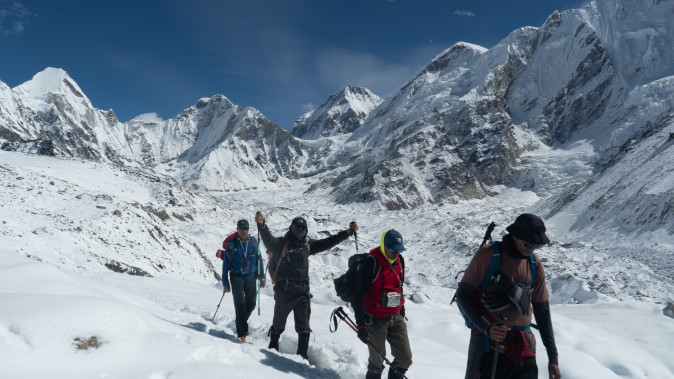
Everest Base Camp Trek Distance in KM and Miles: Day-to-Day Schedule
The Everest Base Camp Trek is one of the most famous trekking adventures in Nepal. Every year, thousands of trekkers from around the world travel to the Khumbu region to experience the Himalayan landscape, Sherpa culture, mountain villages, and breathtaking views of Mount Everest.
One of the most common questions trekkers ask before starting the journey is: How many kilometers is the Everest Base Camp Trek?
The total trekking distance can vary depending on the route, side trips, and itinerary. A standard Everest Base Camp Trek covers approximately 130 km to 140 km (81 to 87 miles) round trip, including the walk from Lukla to Everest Base Camp and back to Lukla. The exact distance may be slightly different depending on the trekking route and daily stops.
Below is a typical day-to-day distance schedule for the Everest Base Camp Trek.
Everest Base Camp Trek Distance at a Glance
|
Trekking Day |
Route |
Approx. Distance |
Miles |
|
Day 1 |
Lukla to Phakding |
7–8 km |
4.3–5 miles |
|
Day 2 |
Phakding to Namche Bazaar |
10–12 km |
6.2–7.5 miles |
|
Day 3 |
Acclimatization in Namche |
3–5 km |
1.9–3.1 miles |
|
Day 4 |
Namche to Tengboche |
9–10 km |
5.6–6.2 miles |
|
Day 5 |
Tengboche to Dingboche |
10–11 km |
6.2–6.8 miles |
|
Day 6 |
Acclimatization in Dingboche |
4–6 km |
2.5–3.7 miles |
|
Day 7 |
Dingboche to Lobuche |
11–12 km |
6.8–7.5 miles |
|
Day 8 |
Lobuche to Everest Base Camp and Gorak Shep |
12–15 km |
7.5–9.3 miles |
|
Day 9 |
Gorak Shep to Kala Patthar and Pheriche |
12–14 km |
7.5–8.7 miles |
|
Day 10 |
Pheriche to Namche Bazaar |
19–20 km |
11.8–12.4 miles |
|
Day 11 |
Namche to Lukla |
18–20 km |
11.2–12.4 miles |
The distances above are approximate. Your actual distance can change depending on the exact trail, accommodation, weather, and side trips.
How Difficult Is the Everest Base Camp Trek Distance?
The Everest Base Camp Trek is not difficult simply because of the total distance. The main challenge is the high altitude. Walking 10 km at a low altitude is very different from walking 10 km above 4,000 meters. The thin air, cold temperatures, rocky trails, steep sections, and long walking days can make the trek physically demanding. For this reason, trekkers should focus on walking slowly and steadily rather than trying to finish each day's distance quickly.
How Many Hours Do You Walk Each Day?
Most trekking days involve approximately 5 to 7 hours of walking, although some days can be shorter or longer. The actual walking time depends on your fitness level, weather conditions, trail conditions, altitude, and the number of breaks you take. The most important thing is to maintain a comfortable pace. There is no benefit in rushing through the Everest Base Camp Trek. The Everest Base Camp Trek covers approximately 130 to 140 km (81 to 87 miles) round trip, although the exact distance varies according to the itinerary and side trips. Understanding the distance before your trek helps you prepare both physically and mentally. Some days are short and comfortable, while others involve long hours of walking. Acclimatization days are also important because they allow your body to adjust to high altitude.
Trek Ways Nepal recommends taking the Everest Base Camp journey slowly and enjoying every part of the trail. The mountains, Sherpa villages, monasteries, suspension bridges, forests, glaciers, and local culture are just as important as reaching Everest Base Camp itself. With proper preparation, a steady walking pace, and an experienced trekking team, the journey to the world's highest mountain can become an unforgettable experience.
About the Author
Tika Prasad Regmi is the owner of Trek Ways Nepal and an experienced trekking professional with extensive knowledge of the Himalayas. During his guiding career, he has completed the Everest Base Camp Trek more than 50 times. His most recent Everest Base Camp trek was in 2022. Tika is passionate about writing, traveling, and sharing his experiences with fellow travelers. He enjoys briefing trekkers and providing practical insights, speaking from firsthand experience of destinations across Nepal, Tibet, and Bhutan.


