When Is the Best Time for Mad Honey Hunting in Nepal?
Mad honey hunting in Nepal is one of the most extraordinary traditional experiences in the Himalayas. Deep in the hills, skilled local honey hunters climb enormous cliffs using handmade rope ladders and traditional equipment to collect honey from the giant Himalayan honeybee. For travelers, witnessing this centuries-old tradition offers a rare combination of adventure, culture, nature, and community tourism.
But one question is especially important when planning a honey-hunting trip: When is the best time for mad honey hunting in Nepal?
The answer is generally spring, particularly April to June, while autumn, around October to December, provides a second important honey-hunting season. Exact dates vary according to altitude, weather, flowering conditions, and the traditional calendar followed by individual villages. So, contact local agencies who offers Honey Huinting tours in Nepal for a suitable date.
What Makes Nepal's Mad Honey Special?
Mad honey is a naturally occurring wild honey traditionally collected from the cliffs of the Himalayan region. The honey is produced by giant Himalayan bees that build large open-air colonies on steep rock faces. The famous spring honey is associated with rhododendron flowers, Nepal's national flower. When the bees forage on rhododendron nectar, the honey can contain naturally occurring grayanotoxins, which are responsible for the distinctive effects associated with so-called mad honey. This is why spring honey is particularly sought after. However, mad honey should not be treated like an ordinary sweetener. Consuming too much can cause dizziness, nausea, vomiting, low blood pressure, and other symptoms. Visitors should always follow responsible tasting advice from experienced local guides and avoid excessive consumption.
The Best Season for Mad Honey Hunting
For travelers specifically interested in mad honey and the rhododendron season, spring is generally the most attractive time to visit.
April to June
Spring brings warmer temperatures, blooming rhododendrons, and renewed activity among the Himalayan bees. Depending on altitude and location, the main harvest can take place from April through June, with many sources identifying May and June as an important period for the spring harvest. The landscape is also spectacular during this period. Hillsides become covered with red, pink, and white rhododendron flowers, while the forests become green and vibrant after winter.
For photographers and adventure travelers, spring offers the opportunity to combine:
• Traditional honey hunting
• Rhododendron forests
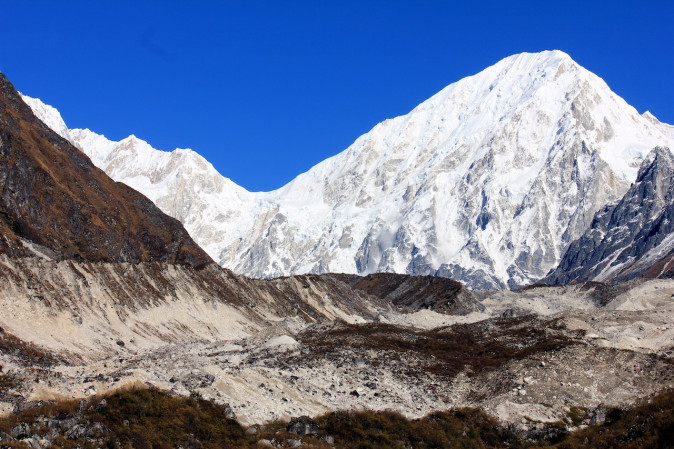
• Himalayan mountain views
• Village and cultural experiences
• Local food and homestays
• Short trekking adventures
The combination makes spring an excellent choice for a Mad Honey Hunting Tour in Nepal with Trek Ways Nepal.
Mid- October to December
After the monsoon, Nepal generally experiences clear skies, comfortable trekking conditions and excellent visibility. The mountain scenery can be spectacular, making autumn particularly attractive for travelers who want to combine honey hunting with trekking. Honey hunting traditionally takes place twice a year in many communities during spring and autumn but the exact timing varies from one location to another. Local communities determine the harvesting dates according to honey readiness, weather and traditional practices. Autumn can therefore be a great option for travelers who prioritize clear Himalayan views and comfortable trekking conditions.
Where Can You Experience Honey Hunting in Nepal?
Some of the well-known honey-hunting areas are located in the central hills of Nepal, particularly around Lamjung, Kaski, Gorkha, Solukhumbu and Dhading. Lamjung is particularly interesting for travelers because the honey-hunting experience can be combined with village life, cultural interaction and Himalayan scenery. Rather than simply visiting a viewpoint, a properly organized honey-hunting journey allows travelers to understand the community behind the tradition.
What Happens During a Honey-Hunting Experience?
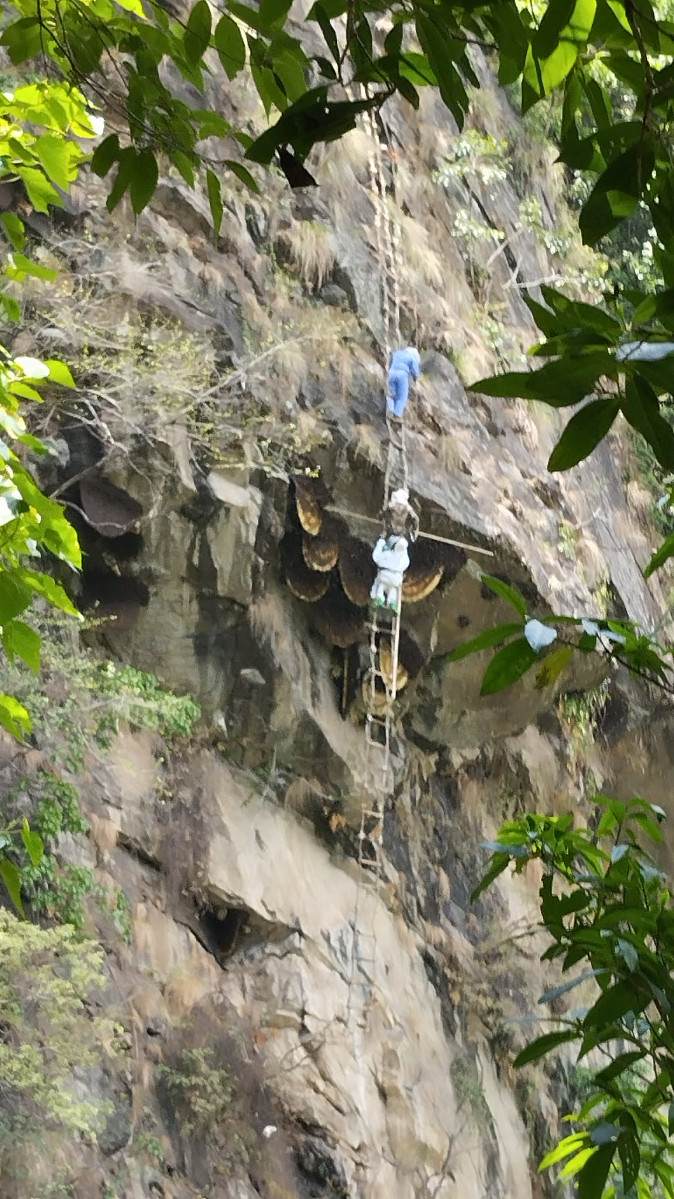
A traditional honey hunt begins with preparation and, in many communities, cultural or religious rituals. Experienced local hunters then travel to the cliff where the colonies are located. The hunters use traditional bamboo ladders, ropes and handmade tools to reach the enormous honeycombs. Smoke is sometimes used to help manage the bees while the hunters carefully remove portions of the comb. For visitors, the most important rule is safety and respect. Honey hunting is extremely dangerous for the people who perform it. Tourists should never attempt to climb the cliffs or interfere with the hunters. The best experience is to watch from a safe location under the guidance of experienced local guides.
Responsible and Sustainable Honey Hunting
Traditional honey hunting is not simply an adventure show. It is part of the cultural heritage and livelihood of Himalayan communities. Responsible tourism can help local families continue this tradition while creating income through guiding, homestays, transportation, food, and other community services. Travelers should choose operators who work respectfully with local communities and avoid encouraging destructive harvesting practices. The survival of wild Himalayan bees is also important. Habitat loss, changing environmental conditions, development, and unsustainable harvesting can affect bee populations and their nesting sites. Protecting the forests and cliff habitats is therefore essential for the future of honey hunting.
Plan Your Mad Honey Hunting Adventure with Trek Ways Nepal
We believe honey hunting is much more than watching honey being collected from a cliff. It is an opportunity to experience an ancient Himalayan tradition, meet local communities, explore beautiful mountain villages, and understand the relationship between people, forests, and wild bees.
We organize carefully planned honey hunting experiences around the appropriate seasonal window, working with experienced local communities and professional local guides.